



Vehicle Maintenance Lada Priora 1
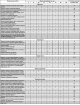
General Provisions and Maintenance Regulations
Maintenance and repair of the vehicle during the warranty period must be carried out only at dealer service stations (TSS) with a mandatory note about the work performed in the service book coupons,...
Maintenance and repair of the vehicle during the warranty period must be carried out only at dealer service stations (TSS) with a mandatory note about the work performed in the service book coupons,...
 itemprop="image"
Safety regulations
General safety requirements prescribe the following. 1. Any repair or maintenance work on the vehicle must be carried out in a spacious, well-ventilated and well-lit area. 2. Workshop equipment...
General safety requirements prescribe the following. 1. Any repair or maintenance work on the vehicle must be carried out in a spacious, well-ventilated and well-lit area. 2. Workshop equipment...

Checking external lighting fixtures
Check the operation of the headlights, taillights, additional brake light, turn signals and license plate lights. Replace faulty lamps (see "Replacing the lamps" ). The following lamps are used in...
Check the operation of the headlights, taillights, additional brake light, turn signals and license plate lights. Replace faulty lamps (see "Replacing the lamps" ). The following lamps are used in...

Checking the wheels
You will need: a pressure gauge, a pump, and a caliper. Recommendations. Check your tire pressure periodically. High or low pressure leads to premature tire wear, deterioration of vehicle handling...
You will need: a pressure gauge, a pump, and a caliper. Recommendations. Check your tire pressure periodically. High or low pressure leads to premature tire wear, deterioration of vehicle handling...

Checking the alternator drive belt tension
According to the manufacturer's recommendation, the tension of the alternator drive belt should be checked every 15 thousand km. 1. Check the tension of the generator drive belt by pressing it with...
According to the manufacturer's recommendation, the tension of the alternator drive belt should be checked every 15 thousand km. 1. Check the tension of the generator drive belt by pressing it with...

Checking the timing belt tension
Regularly check the condition and tension of the timing belt and adjust the tension if necessary. When the belt tension is weakened, its teeth wear out quickly and, in addition, the belt may jump on...
Regularly check the condition and tension of the timing belt and adjust the tension if necessary. When the belt tension is weakened, its teeth wear out quickly and, in addition, the belt may jump on...

Checking the technical condition of the front suspension parts on the car
At each maintenance, in accordance with the manufacturer's requirements, check the condition of the front suspension components, paying particular attention to the absence of mechanical damage to the...
At each maintenance, in accordance with the manufacturer's requirements, check the condition of the front suspension components, paying particular attention to the absence of mechanical damage to the...

Checking the technical condition of the rear suspension parts on the car
Check the condition of the rear suspension from underneath the vehicle while it is on a lift or inspection pit. The following is not allowed on rubber suspension parts: signs of rubber aging;...
Check the condition of the rear suspension from underneath the vehicle while it is on a lift or inspection pit. The following is not allowed on rubber suspension parts: signs of rubber aging;...

Checking the degree of wear of brake pads, discs and drums
Note: Check the condition of the working surfaces of the brake disc without removing it from the vehicle. You will need: a wheel bolt wrench, a screwdriver, and a caliper. 1. Remove the wheel. 2....
Note: Check the condition of the working surfaces of the brake disc without removing it from the vehicle. You will need: a wheel bolt wrench, a screwdriver, and a caliper. 1. Remove the wheel. 2....
Inspection and testing of the steering system on the car
At each maintenance check the condition of the steering system, which determines the safety of movement. Check from underneath the vehicle while it is on the inspection pit (the front wheels must be...
At each maintenance check the condition of the steering system, which determines the safety of movement. Check from underneath the vehicle while it is on the inspection pit (the front wheels must be...

Checking the tightness of the hydraulic brake drive
To prevent sudden failure of the brake system, carefully check the condition of all lines at each maintenance. Replace parts with new ones if there is the slightest doubt about their suitability. All...
To prevent sudden failure of the brake system, carefully check the condition of all lines at each maintenance. Replace parts with new ones if there is the slightest doubt about their suitability. All...

Checking the tightness of the hoses and connections of the cooling system
To prevent sudden failure of the engine cooling system, carefully check the condition of all hoses and their connections at each maintenance. Replace hoses with new ones if there is the slightest...
To prevent sudden failure of the engine cooling system, carefully check the condition of all hoses and their connections at each maintenance. Replace hoses with new ones if there is the slightest...

Checking the tightness of fuel lines
To prevent sudden failure of the engine fuel system, carefully check the condition of all fuel pressure lines, their connections and attachment points to the underbody of the vehicle during each...
To prevent sudden failure of the engine fuel system, carefully check the condition of all fuel pressure lines, their connections and attachment points to the underbody of the vehicle during each...
Checking the exhaust system for leaks
The exhaust system does not require any special maintenance. It is enough to periodically check the reliability of the tightening of the threaded connections and the integrity of the suspension...
The exhaust system does not require any special maintenance. It is enough to periodically check the reliability of the tightening of the threaded connections and the integrity of the suspension...

Checking the level and adding oil to the engine lubrication system
You will need: motor oil, a clean rag. Note: The type of engine oil to be used is given in Appendix 2. Caution: Before checking the oil level after driving, turn off the engine and wait 3-5 minutes...
You will need: motor oil, a clean rag. Note: The type of engine oil to be used is given in Appendix 2. Caution: Before checking the oil level after driving, turn off the engine and wait 3-5 minutes...

Checking the level and adding coolant
You will need: coolant, clean cloth. Recommendations: The brand of coolant recommended by the vehicle manufacturer is listed in Appendix 2. Check with the dealer/seller of the vehicle about the brand...
You will need: coolant, clean cloth. Recommendations: The brand of coolant recommended by the vehicle manufacturer is listed in Appendix 2. Check with the dealer/seller of the vehicle about the brand...

Checking the level and adding brake fluid to the master cylinder reservoir
You will need: brake fluid, a clean rag. Note: Brake fluid type is DOT-3 or DOT-4. We recommend checking the level before each trip and adding fluid to the tank if necessary. If you have to top up...
You will need: brake fluid, a clean rag. Note: Brake fluid type is DOT-3 or DOT-4. We recommend checking the level before each trip and adding fluid to the tank if necessary. If you have to top up...

Checking the level and adding fluid to the washer reservoir
You will need: in summer - a concentrate of a special liquid for the washer reservoir, diluted with clean water; in winter - antifreeze. Note: Use antifreeze from reputable companies that does not...
You will need: in summer - a concentrate of a special liquid for the washer reservoir, diluted with clean water; in winter - antifreeze. Note: Use antifreeze from reputable companies that does not...

Checking the level and adding oil to the gearbox
You will need: transmission oil, a syringe for filling transmission units, a clean rag. Note: Use transmission oils recommended by the manufacturer for the gearbox ( see appendix 2 ). 1. Remove the...
You will need: transmission oil, a syringe for filling transmission units, a clean rag. Note: Use transmission oils recommended by the manufacturer for the gearbox ( see appendix 2 ). 1. Remove the...

Lubrication of body fittings
To increase the service life of the body, periodically lubricate the rubbing parts (at least every 30,000 km or once a year), and the hinges of all doors - every maintenance. If creaking or sticking...
To increase the service life of the body, periodically lubricate the rubbing parts (at least every 30,000 km or once a year), and the hinges of all doors - every maintenance. If creaking or sticking...

Diagnostics of the electronic engine management system
To prevent malfunctions in electronic engine control systems (EECS), vehicles are equipped with built-in diagnostics. The controller, or electronic control unit (ECU), records deviations in engine...
To prevent malfunctions in electronic engine control systems (EECS), vehicles are equipped with built-in diagnostics. The controller, or electronic control unit (ECU), records deviations in engine...

Checking the operation of the brake booster
When the vacuum booster fails, the force on the brake pedal increases significantly, which negatively affects vehicle control. If the pedal effort is noticeably greater than normal when braking,...
When the vacuum booster fails, the force on the brake pedal increases significantly, which negatively affects vehicle control. If the pedal effort is noticeably greater than normal when braking,...

Checking the parking brake
According to the manufacturer, the stroke of the parking lever should be: when adjusted 2-4 clicks; in operation 2-8 clicks. The parking brake should hold the vehicle on a 25% slope when the lever...
According to the manufacturer, the stroke of the parking lever should be: when adjusted 2-4 clicks; in operation 2-8 clicks. The parking brake should hold the vehicle on a 25% slope when the lever...

Checking the efficiency of the braking system
It is advisable to check the efficiency of the brake system on special brake stands (similar stands are used by the State Traffic Safety Inspectorate when conducting technical inspections of...
It is advisable to check the efficiency of the brake system on special brake stands (similar stands are used by the State Traffic Safety Inspectorate when conducting technical inspections of...

Checking the free play (play) of the steering wheel
With increased free play of the steering wheel, it becomes difficult to control the car, since it reacts to the driver's actions with a delay. In addition, an increased stroke that cannot be...
With increased free play of the steering wheel, it becomes difficult to control the car, since it reacts to the driver's actions with a delay. In addition, an increased stroke that cannot be...

Checking and adjusting the front wheel alignment angles
Checking and adjusting the wheel alignment angles is necessary to ensure good stability and control of the vehicle, as well as even wear of the tires during its operation. Checking and adjusting the...
Checking and adjusting the wheel alignment angles is necessary to ensure good stability and control of the vehicle, as well as even wear of the tires during its operation. Checking and adjusting the...

Checking and adjusting headlights
Check and adjust the headlights on a loaded vehicle: with a full fuel tank, a set of tools and a spare tire. You will need a 6 mm Allen key. 1. Pre-check and, if necessary, adjust the air pressure in...
Check and adjust the headlights on a loaded vehicle: with a full fuel tank, a set of tools and a spare tire. You will need a 6 mm Allen key. 1. Pre-check and, if necessary, adjust the air pressure in...

Replacing the alternator drive belt
The manufacturer recommends replacing the belt every 60 thousand km or every 2 years, whichever comes first. If the alternator drive belt is not tensioned sufficiently, the battery charge level will...
The manufacturer recommends replacing the belt every 60 thousand km or every 2 years, whichever comes first. If the alternator drive belt is not tensioned sufficiently, the battery charge level will...
Replacing the timing belt
The manufacturer recommends replacing the belt every 45 thousand km or every 2 years (whichever comes first). Check the timing belt tension regularly and adjust it if necessary. When the tension is...
The manufacturer recommends replacing the belt every 45 thousand km or every 2 years (whichever comes first). Check the timing belt tension regularly and adjust it if necessary. When the tension is...

Changing engine oil and oil filter
According to the manufacturer's recommendation, engine oil and oil filter should be replaced after 15 thousand km of mileage or 1 year of operation (whichever comes first). The volume of oil poured...
According to the manufacturer's recommendation, engine oil and oil filter should be replaced after 15 thousand km of mileage or 1 year of operation (whichever comes first). The volume of oil poured...

Cleaning the crankcase ventilation system
Over time, resinous deposits from crankcase gases accumulate in the engine's crankcase ventilation system, making it difficult for these gases to be removed into the engine cylinders for combustion....
Over time, resinous deposits from crankcase gases accumulate in the engine's crankcase ventilation system, making it difficult for these gases to be removed into the engine cylinders for combustion....

Replacing the coolant
According to the manufacturer's recommendation, the coolant should be replaced after 75 thousand km of mileage or once every 5 years (whichever comes first). If the coolant has changed color to...
According to the manufacturer's recommendation, the coolant should be replaced after 75 thousand km of mileage or once every 5 years (whichever comes first). If the coolant has changed color to...

Gearbox oil change
The manufacturer recommends changing the gearbox oil after 75 thousand km or once every 5 years (whichever comes first). Note: It is recommended to drain the oil within 15 minutes after driving,...
The manufacturer recommends changing the gearbox oil after 75 thousand km or once every 5 years (whichever comes first). Note: It is recommended to drain the oil within 15 minutes after driving,...

Replacing the working fluid in the brake system
Replace the brake fluid in the brake hydraulic drive every 45 thousand km or 3 years of operation (whichever comes first). To fill the system, use glycol brake fluids with parameters according to...
Replace the brake fluid in the brake hydraulic drive every 45 thousand km or 3 years of operation (whichever comes first). To fill the system, use glycol brake fluids with parameters according to...

Replacing the air filter element
Replace the air filter element according to the manufacturer's recommendations every 30,000 km. However, its condition depends on the operating conditions of the vehicle: on dustier and more polluted...
Replace the air filter element according to the manufacturer's recommendations every 30,000 km. However, its condition depends on the operating conditions of the vehicle: on dustier and more polluted...

Replacing the fuel filter
The manufacturer recommends replacing the fine fuel filter every 30,000 km. However, its condition depends on the quality of the gasoline: the dirtier the gasoline, the faster the filter becomes...
The manufacturer recommends replacing the fine fuel filter every 30,000 km. However, its condition depends on the quality of the gasoline: the dirtier the gasoline, the faster the filter becomes...

Replacing the filter of the ventilation and heating system of the cabin
The manufacturer recommends replacing the air filter entering the cabin at each maintenance, i.e. every 15 thousand km. However, its condition depends on the operating conditions of the car. As...
The manufacturer recommends replacing the air filter entering the cabin at each maintenance, i.e. every 15 thousand km. However, its condition depends on the operating conditions of the car. As...

Replacement and maintenance of spark plugs
According to the manufacturer's recommendations, conventional spark plugs should be replaced every 30,000 km. Spark plugs with platinum or iridium electrode coating should be replaced after 60,000...
According to the manufacturer's recommendations, conventional spark plugs should be replaced every 30,000 km. Spark plugs with platinum or iridium electrode coating should be replaced after 60,000...

Checking and adjusting the parking brake drive
According to the manufacturer's recommendations, the parking brake system must be adjusted every 30 thousand km. You will need two 13 mm keys. 1. Place the vehicle on an inspection pit or overpass....
According to the manufacturer's recommendations, the parking brake system must be adjusted every 30 thousand km. You will need two 13 mm keys. 1. Place the vehicle on an inspection pit or overpass....

Checking and adjusting the throttle cable
You will need narrow-nose pliers. 1. Open the hood and remove the decorative engine cover (see "Removing and installing the decorative engine cover" ). 2. To visually check the movement of the...
You will need narrow-nose pliers. 1. Open the hood and remove the decorative engine cover (see "Removing and installing the decorative engine cover" ). 2. To visually check the movement of the...

Checking and adjusting the clutch release drive
The clutch release drive is gap-free, i.e. there are no gaps in the drive. The drive cable is equipped with a ratchet mechanism to compensate for its length during operation when the driven disk...
The clutch release drive is gap-free, i.e. there are no gaps in the drive. The drive cable is equipped with a ratchet mechanism to compensate for its length during operation when the driven disk...
Battery Maintenance
At least once every two weeks, remove dust and dirt from the surface of the monoblock and its cover with a dry cloth. If there is any electrolyte on the lid, remove it with a clean cloth soaked in a...
At least once every two weeks, remove dust and dirt from the surface of the monoblock and its cover with a dry cloth. If there is any electrolyte on the lid, remove it with a clean cloth soaked in a...

Cleaning the drainage holes of the body
During operation, moisture accumulates in the cavities of thresholds and doors, causing corrosion. This moisture is removed through drainage holes located at the bottom of the thresholds and doors....
During operation, moisture accumulates in the cavities of thresholds and doors, causing corrosion. This moisture is removed through drainage holes located at the bottom of the thresholds and doors....


Fuels and lubricants and operating fluids
Fuels and lubricants and operating fluids Notes: 1. To ensure engine starting and vehicle operation at low negative ambient temperatures, it is necessary to use gasolines of the appropriate...
Fuels and lubricants and operating fluids Notes: 1. To ensure engine starting and vehicle operation at low negative ambient temperatures, it is necessary to use gasolines of the appropriate...


This section is available on russian, bulgarian, belarusian, ukrainian, serbian, croatian, romanian, polish, slovak, hungarian
More sections with information from manuals for Lada:
• General information: Maintenance Lada Kalina Hatchback (2004-2013, VAZ-1119)
• User manual: Maintenance Lada Granta 1 (2011-2023, VAZ-2190)
• General information: Maintenance Lada Vesta 1 (2015-2023, VAZ-2180)
• General information: Maintenance Lada Largus 1 (2012-2023)
• General information: Maintenance Lada X-Ray 1 (2015-2022)
Link to this section in various formats
TEXTHTMLBB Code
- General information
- Vehicle device
- User manual
- Faults en route
- Maintenance
- Power unit
- Engine repair
- Cooling and lubrication system
- Supply system
- Exhaust system
- Transmission
- Clutch
- Car gearbox
- Drive shafts
- Chassis (running gear)
- Car suspension
- Steering
- Brake system
- Body and interior
- Exterior (external elements)
- Interior (internal elements)
- Doors, locks and windows
- Electrical equipment
- Equipment and devices
- Power devices
- Lighting and signaling
- Cooling and heating
- Electrical circuits