



Brake system of the car Lada Priora 1

Design features of the brake system
Figure 9.1. Hydraulic brake drive diagram: 1 – front wheel brake mechanism; 2 – flexible front brake hose; 3 – left front – right rear brake circuit pipeline; 4 – main cylinder of the brake hydraulic...
Figure 9.1. Hydraulic brake drive diagram: 1 – front wheel brake mechanism; 2 – flexible front brake hose; 3 – left front – right rear brake circuit pipeline; 4 – main cylinder of the brake hydraulic...
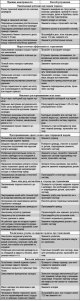
Possible malfunctions of the brake system
Possible malfunctions of the brake system, their causes and methods of elimination
Possible malfunctions of the brake system, their causes and methods of elimination

Bleeding the hydraulic brake system
Bleeding the hydraulic drive of the brake system is necessary to remove air that may enter the system during repairs or replacement of brake fluid, when the brake fluid level in the brake master...
Bleeding the hydraulic drive of the brake system is necessary to remove air that may enter the system during repairs or replacement of brake fluid, when the brake fluid level in the brake master...

Removal and installation the brake booster
You will need: 10 and 13 mm wrenches, flat-head and Phillips-head screwdrivers. 1. Remove the windshield frame trims (see "Removing and installing windshield frame trims" ). 2. Remove the...
You will need: 10 and 13 mm wrenches, flat-head and Phillips-head screwdrivers. 1. Remove the windshield frame trims (see "Removing and installing windshield frame trims" ). 2. Remove the...

Replacing the brake pedal axle bushings
You will need the same tool as for removing the vacuum booster. 1. Remove the vacuum booster assembly with the pedal unit from the vehicle and remove the booster from the bracket (see "Removing and...
You will need the same tool as for removing the vacuum booster. 1. Remove the vacuum booster assembly with the pedal unit from the vehicle and remove the booster from the bracket (see "Removing and...

Removal and installation the brake master cylinder reservoir
The tank is removed for replacement or preventative cleaning. In addition, sometimes it becomes necessary to remove the tank to replace the rubber bushings that secure it. You will need: a 10 mm...
The tank is removed for replacement or preventative cleaning. In addition, sometimes it becomes necessary to remove the tank to replace the rubber bushings that secure it. You will need: a 10 mm...

Removal and installation the master brake cylinder
You will need: 10 and 13 mm wrenches, flat-head and Phillips-head screwdrivers.. …and also a special 13 mm wrench for unscrewing the brake pipes. 1. Remove the windshield frame trims (see "Removing...
You will need: 10 and 13 mm wrenches, flat-head and Phillips-head screwdrivers.. …and also a special 13 mm wrench for unscrewing the brake pipes. 1. Remove the windshield frame trims (see "Removing...

Replacing the brake pads of the front wheel brake mechanism
The minimum permissible thickness of the friction linings of the brake pads is 1.5 mm. The pads must be replaced in the following cases: the thickness of the friction linings is less than the...
The minimum permissible thickness of the friction linings of the brake pads is 1.5 mm. The pads must be replaced in the following cases: the thickness of the friction linings is less than the...

Removal and installation the front wheel brake disc
The minimum permissible disc thickness is 17.8 mm. If the disc thickness is less, it must be replaced. The axial runout of the brake disc surface must not exceed 0.15 mm. If there are any scoring,...
The minimum permissible disc thickness is 17.8 mm. If the disc thickness is less, it must be replaced. The axial runout of the brake disc surface must not exceed 0.15 mm. If there are any scoring,...

Removal and installation the front brake slave cylinder
You will need: keys "13", "15", "17", TORX key E14. 1. Remove the appropriate wheel. 2. Remove the brake hose seal from the bracket on the suspension strut. Note: To prevent excessive leakage of...
You will need: keys "13", "15", "17", TORX key E14. 1. Remove the appropriate wheel. 2. Remove the brake hose seal from the bracket on the suspension strut. Note: To prevent excessive leakage of...

Removal and installation the rear wheel brake drum
The maximum permissible diameter of the drum working surface is 201.5 mm. Replace the drum if the diameter is greater than or equal to the maximum permissible value. There should be no burrs or deep...
The maximum permissible diameter of the drum working surface is 201.5 mm. Replace the drum if the diameter is greater than or equal to the maximum permissible value. There should be no burrs or deep...

Replacing the brake pads of the rear wheel brake mechanism
The minimum permissible thickness of the friction linings of the brake pads is 1.5 mm. The pads are replaced in the following cases: the thickness of the friction linings is less than the permissible...
The minimum permissible thickness of the friction linings of the brake pads is 1.5 mm. The pads are replaced in the following cases: the thickness of the friction linings is less than the permissible...

Replacing the rear brake slave cylinder
If during operation there are leaks of brake fluid on the brake drum and the inner side of the wheel, replace the wheel cylinder. Repairing a wheel cylinder usually does not produce positive results,...
If during operation there are leaks of brake fluid on the brake drum and the inner side of the wheel, replace the wheel cylinder. Repairing a wheel cylinder usually does not produce positive results,...

Removal and installation the pressure regulator
One of the reasons for the car skidding or pulling to the side when braking may be a faulty pressure regulator. It is recommended to replace a faulty pressure regulator as an assembly. You will need:...
One of the reasons for the car skidding or pulling to the side when braking may be a faulty pressure regulator. It is recommended to replace a faulty pressure regulator as an assembly. You will need:...

Adjusting the pressure regulator drive
Incorrect adjustment of the pressure regulator drive can cause the vehicle to skid or pull to the side when braking, reducing braking efficiency. You will need: a 13 mm wrench, wire with a diameter...
Incorrect adjustment of the pressure regulator drive can cause the vehicle to skid or pull to the side when braking, reducing braking efficiency. You will need: a 13 mm wrench, wire with a diameter...

Replacing the front brake hoses
You will need: a special 10 mm wrench for unscrewing the brake pipe nuts, and a 15 mm wrench. 1. Remove the appropriate wheel. 2. Using a 10 mm wrench, unscrew the brake pipe from the hose, holding...
You will need: a special 10 mm wrench for unscrewing the brake pipe nuts, and a 15 mm wrench. 1. Remove the appropriate wheel. 2. Using a 10 mm wrench, unscrew the brake pipe from the hose, holding...

Replacing the rear brake hoses
You will need: a special 10 mm wrench for unscrewing the brake pipe nuts, and a 15 mm wrench. 1. Place the vehicle on a lift or inspection pit. 2. Using a 10 mm wrench, unscrew the brake pipe coming...
You will need: a special 10 mm wrench for unscrewing the brake pipe nuts, and a 15 mm wrench. 1. Place the vehicle on a lift or inspection pit. 2. Using a 10 mm wrench, unscrew the brake pipe coming...

Replacing brake pipes
You will need: a special 10 mm wrench for unscrewing the brake pipe nuts, and a 13 mm wrench. 1. Unscrew the pipes from the master cylinder and brake hoses. Plug the master cylinder and hose...
You will need: a special 10 mm wrench for unscrewing the brake pipe nuts, and a 13 mm wrench. 1. Unscrew the pipes from the master cylinder and brake hoses. Plug the master cylinder and hose...

Replacing the spring of the parking brake lever pawl
If the parking brake lever does not lock in the selected position, first check the pawl spring. If the spring is good, replace the lever. 1. Unscrew the button from the lever. 2. Remove the pawl...
If the parking brake lever does not lock in the selected position, first check the pawl spring. If the spring is good, replace the lever. 1. Unscrew the button from the lever. 2. Remove the pawl...

Repair of the parking brake lever
You will need: two 13 mm wrenches, a 13 mm socket wrench (head), a Phillips-head screwdriver, and pliers. 1. Disconnect the wire from the negative terminal of the battery. 2. Remove the floor tunnel...
You will need: two 13 mm wrenches, a 13 mm socket wrench (head), a Phillips-head screwdriver, and pliers. 1. Disconnect the wire from the negative terminal of the battery. 2. Remove the floor tunnel...

Replacing the parking brake cable
Note: If the cable is difficult to move in the sheath after being removed from the vehicle, lubricate it by pouring transmission or engine oil into the sheath until it starts to flow out from the...
Note: If the cable is difficult to move in the sheath after being removed from the vehicle, lubricate it by pouring transmission or engine oil into the sheath until it starts to flow out from the...
This section is available on russian, bulgarian, belarusian, ukrainian, serbian, croatian, romanian, polish, slovak, hungarian
More sections with information from manuals for Lada:
• Chassis (running gear): Brake system Lada Kalina Hatchback (2004-2013, VAZ-1119)
• Chassis (running gear): Brake system Lada Granta 1 (2011-2023, VAZ-2190)
• Chassis (running gear): Brake system Lada Vesta 1 (2015-2023, VAZ-2180)
• Chassis (running gear): Brake system Lada Largus 1 (2012-2023)
• Chassis (running gear): Brake system Lada X-Ray 1 (2015-2022)
Link to this section in various formats
TEXTHTMLBB Code
- General information
- Vehicle device
- User manual
- Faults en route
- Maintenance
- Power unit
- Engine repair
- Cooling and lubrication system
- Supply system
- Exhaust system
- Transmission
- Clutch
- Car gearbox
- Drive shafts
- Chassis (running gear)
- Car suspension
- Steering
- Brake system
- Body and interior
- Exterior (external elements)
- Interior (internal elements)
- Doors, locks and windows
- Electrical equipment
- Equipment and devices
- Power devices
- Lighting and signaling
- Cooling and heating
- Electrical circuits