



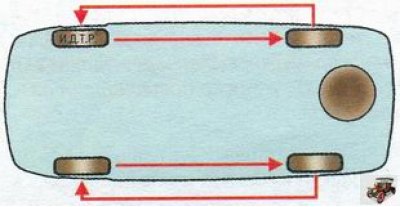
Figure 2.1. Wheel rotation diagram on a car
Attention! All wheel repair work should be carried out in specialized auto repair shops.
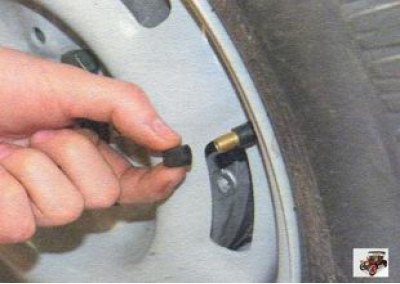
1. Unscrew the cap from the valve.
2. Check the air pressure in the tire. To do this, connect the pressure gauge to the valve and press it. 3. If the air pressure in the tire is less than required, connect the hose tip to the valve and pump air, monitoring the pressure on the pressure gauge on the pump.
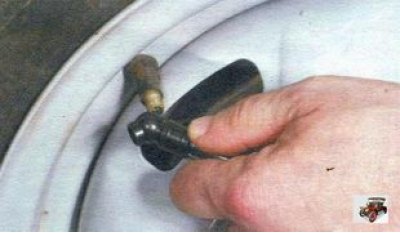
4. If the air pressure in the tire is higher than required, press the special protrusion of the pressure gauge onto the valve core and release air from the tire. Measure the pressure with a pressure gauge. Repeat these steps to bring the air pressure in the tires to normal.
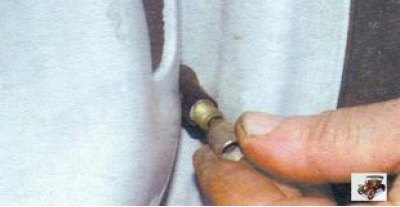
5. If you notice that the air pressure in your tires is constantly dropping, try tightening the valve core more tightly using the cap and key.
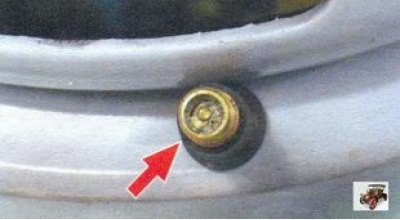
6. To check the valve for leaks, wet the threaded hole of the valve. If air bubbles appear, replace the valve core.
7. Measure the remaining tread depth with a caliper. If the tread depth is 1.6 mm or less, replace the tire.
8. Check the tightness of the wheel mounting bolts and tighten them if necessary (for tightening torque, see. v appendix 1).