



In the fuel injection system of the VAZ-21126 engine with feedback, a catalytic converter of exhaust gases and two oxygen concentration sensors are installed in the exhaust system, which provide feedback. The sensors monitor the oxygen content in the exhaust gases, and the electronic control unit, using their signals, maintains the air-fuel ratio at which the neutralizer operates most efficiently.
Caution: Before removing any injection control system components, disconnect the wire from the negative terminal of the battery.
Caution! Disconnect the battery only when the ignition is off.
Caution: Do not start the engine if the battery cable terminals are not tightly tightened.
Caution! Never disconnect the battery from the vehicle's electrical system while the engine is running.
Caution! When charging, disconnect the battery from the vehicle's electrical system.
Caution! Do not allow the electronic control unit (ECU) to heat up above 65°C when operating and above 80°C when not operating (for example, in a drying chamber after painting). If this temperature is exceeded, the ECU must be removed from the vehicle.
Caution! Do not disconnect or connect the wiring harness connectors to the ECU when the ignition is on.
Caution! Before performing arc welding on a vehicle, disconnect the wires from the battery and the wire connectors from the ECU.
Attention! Perform all voltage measurements using a digital voltmeter with an internal resistance of at least 10 MOhm.
Warning! The electronic components used in the injection system are designed for very low voltage and can therefore be easily damaged by electrostatic discharge. to prevent damage to the ECU due to electrostatic discharge:
- do not touch the ECU connectors or electronic components on its boards with your hands;
- when working with the programmable read-only memory (PROM) of the control unit, do not touch the terminals of the microcircuit.
Caution: When working in rainy weather, do not allow water to come into contact with the electronic components of the fuel injection system.
Check the injection system in the following order.
1. Check the ground connection of the engine and battery.
2. Check the pressure regulator, fuel filter and fuel pump.
3. Check the fuses and relays for switching on the injection system elements.
4. Check the reliability of the contacts of the pads with the wires of the injection system elements.
5. Check the injection system sensors.
The vast majority of fuel injection system faults are caused by failure of the following sensors:
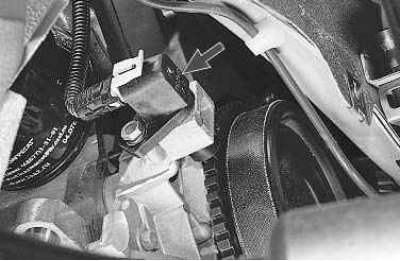
- crankshaft position - complete failure of the injection system, the engine does not start;
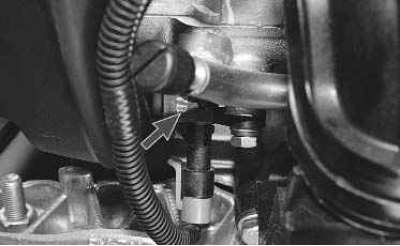
– camshaft position (phase sensor) - transition to synchronous operation of injectors, deterioration of performance (dynamics, fuel consumption);
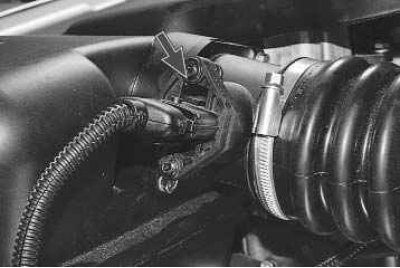
– mass air flow — increased fuel consumption, significant deterioration in dynamics, jerks and dips, problems with starting the engine;
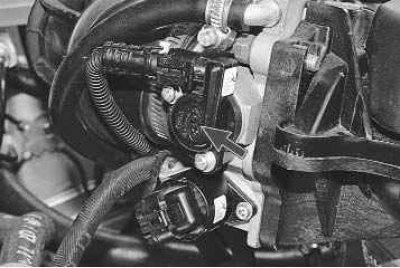
- throttle position - loss of power, jerks and dips during acceleration, unstable operation in idle mode;
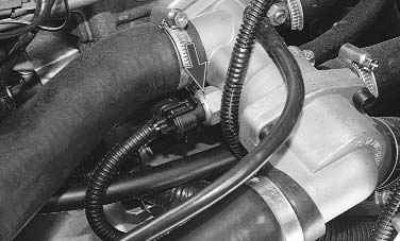
– coolant temperature - difficulties starting in cold weather. You have to warm up the engine by maintaining the speed with the accelerator pedal. When overheated, power is significantly reduced and detonation occurs;
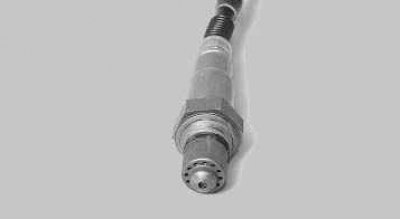
- oxygen concentration (lambda probe) - increased fuel consumption, decreased engine power, unstable idling (only on vehicles equipped with a catalytic converter). Possible damage to the catalytic converter;
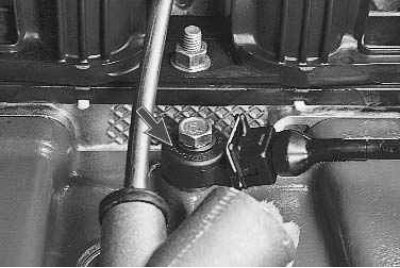
- detonations - the engine is very sensitive to the quality of gasoline, increased tendency to detonation;
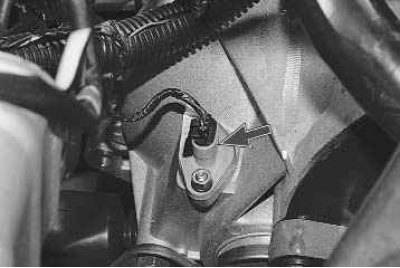
- vehicle speed — possible deterioration of the vehicle's dynamic qualities in modes using maximum power (intense acceleration);
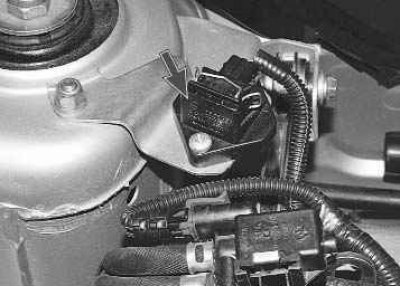
- uneven road - deterioration of engine performance on uneven roads.