



Attention! Your vehicle is equipped with a high energy microprocessor ignition system (HEIMS). The ignition coils generate approximately 40,000 volts of voltage at their high voltage terminals, and although this is not life-threatening at low currents, a possible electric shock when testing the ignition system can have serious consequences. Therefore, if you handle the ignition coil with the ignition on, use a thick rubber glove or, as a last resort, pliers with insulated handles.
Note: Before checking the ignition system, place the gear shift lever in neutral and leave the parking brake on.
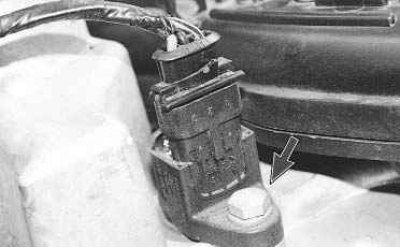
1. With the ignition off, check the tightness of the ignition coils on the engine.
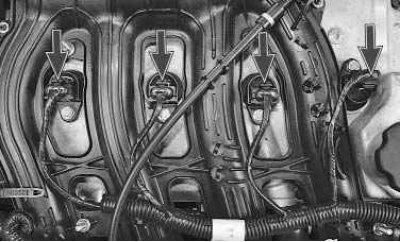
2. Check the reliability of the connection to the coils and the integrity of the low-voltage ignition circuit harnesses.
(Original text is available on the website: LadaMan.ru)
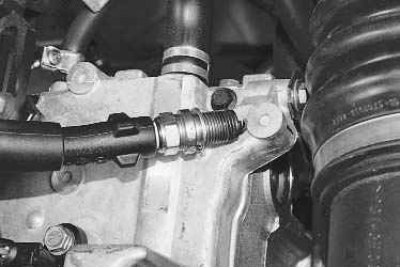
3. If the low voltage circuit is normal, check for spark at the spark plugs. Remove the ignition coil. Insert a spare spark plug into the coil tip and press the metal part of it against the vehicle ground. Turn the engine crankshaft with the starter.
4. If there is no spark, replace the ignition coil. You can try to install a previously used, but tested, "from a working machine". Conduct a check according to p. 3 for each ignition coil.
5. If there is a spark, but the engine does not start, replace the spark plugs with new ones. You can also try to install not new, but tested ones, "from a working machine".
6. If the engine still does not start, check the engine management system (see "Fuel injection system malfunctions").