



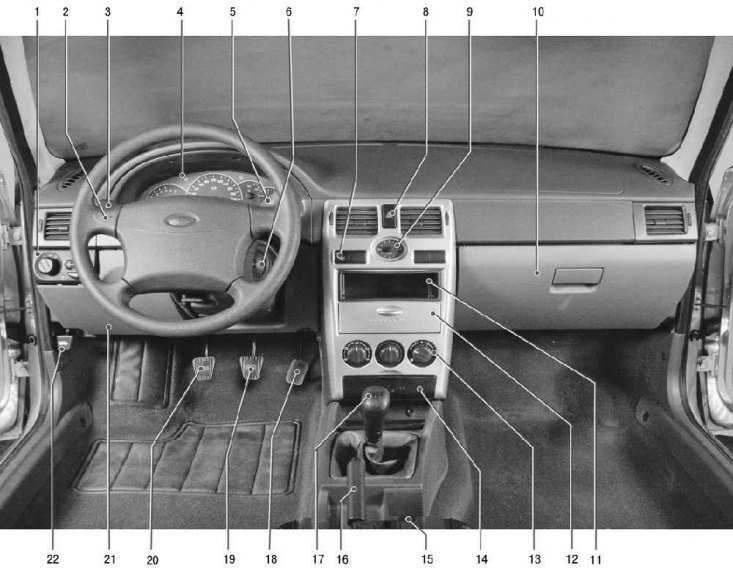
Figure 1.6. Instrument panel and controls
Outside air can enter the passenger compartment through the door windows when the windows are lowered and through the air intake located in front of the windshield on the right and equipped with a dust filter that cleans the air entering the passenger compartment from dust, soot, plant pollen, etc. Air entering the passenger compartment through the air intake passes through the heater. Depending on the position of the control handles of block 13 (see figure 1.6) heating and ventilation controls supply either heated or cold air to the vehicle's interior.
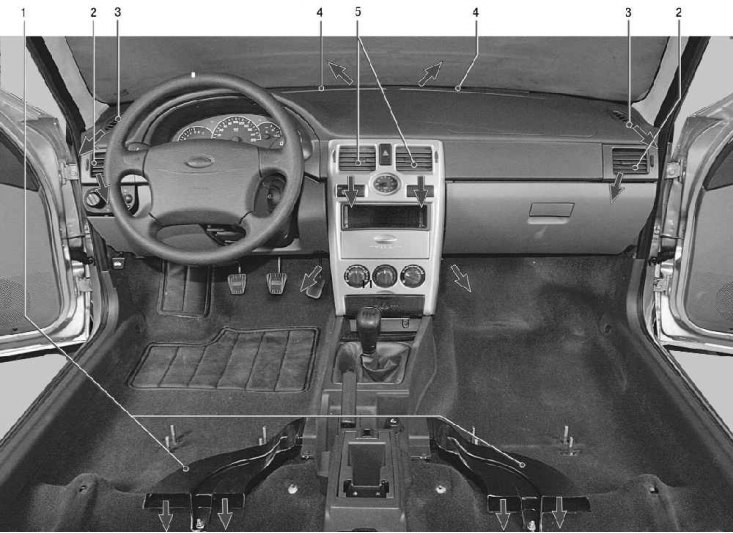
Figure 1.8. Air flow distribution organs
The location of the air flow distribution organs is shown in the figure 1.8, the location of the heating and ventilation controls is shown in Figure 1.9.
The following air flow distribution units are located in the vehicle interior.
1 – air ducts supplying air to the feet of passengers in the rear seat.
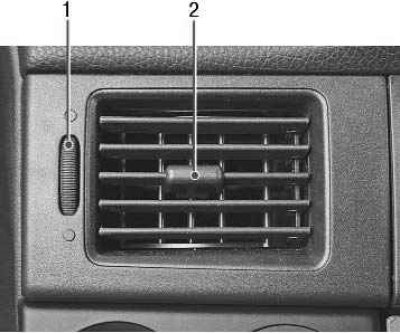
2 – side air vents for the driver and front passenger or for the front door windows the direction of the air flow is adjusted by turning the grille (in the vertical direction) and sashes (in the horizontal direction) by handle 2, located in the middle of the grate. The flow intensity is regulated by moving wheel 1 in the vertical direction. When the adjusting wheel is in the upper extreme position, the air flow from the left nozzle is maximum; when in the lower position, the air flow is blocked. The algorithm for controlling the flow intensity from the right nozzle is similar to the left one.
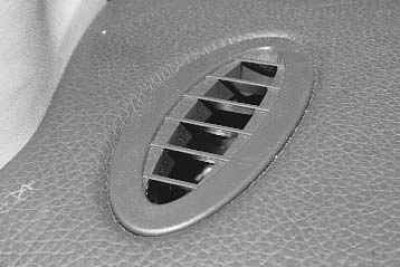
3 – nozzles for blowing air into the front door windows.
4 – windshield blower nozzles.
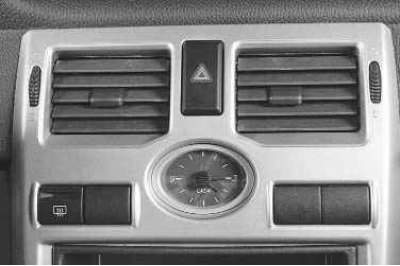
5 – central nozzles for supplying air to the passenger compartment. The direction of air flow from the central nozzles is adjusted in the same way as from the side nozzles (see point 2).