



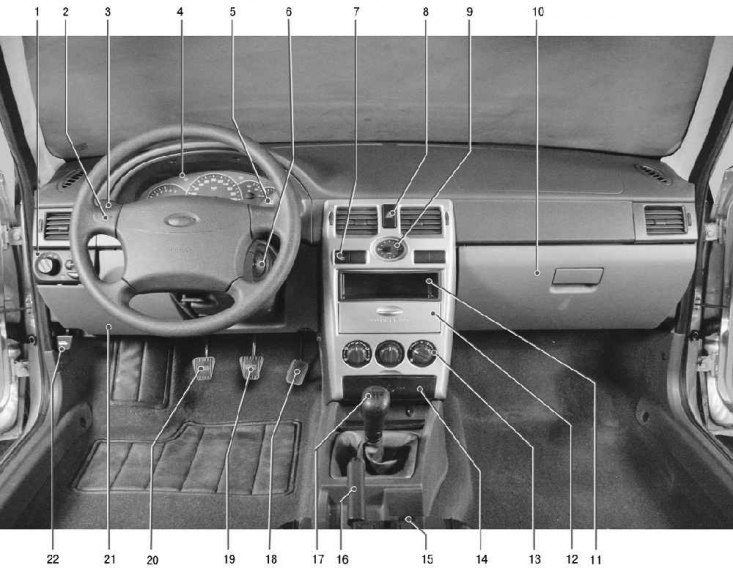
Figure 1.6. Instrument panel and controls
The following instruments and controls are located on the instrument panel: (figure 1.6).
1 – control unit for external lighting and instrument lighting.
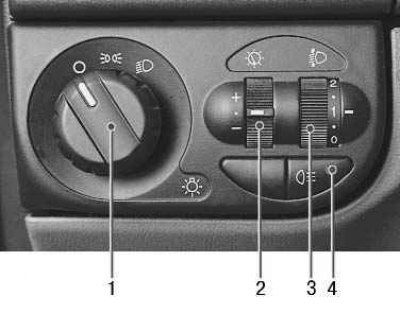
The control unit includes the following.
Switch 1 of the external lighting can occupy three fixed positions. Turning the handle clockwise to the first fixed position turns on the exterior lighting; turning it further to the second fixed position turns on the low or high beam headlights, depending on the position of the light signaling switch.
Instrument lighting regulator 2. When the outside lighting is on, the brightness of the instrument lighting is changed by turning the regulator.
Regulator 3 headlight corrector. When the headlights are on, the direction of the headlight beam is changed by turning the regulator. The positions of the corrector regulator correspond to the following loading options:
- 0 - one driver or driver and front seat passenger;
- 1 - all seats are occupied;
- 2 - all seats are occupied and the load in the trunk is no more than 50 kg;
- 3 - one driver and cargo in the trunk
Switch 4 rear fog lights. Pressing the switch turns on the rear fog lights if the exterior lights are on. Pressing the button again turns off the rear fog lights.
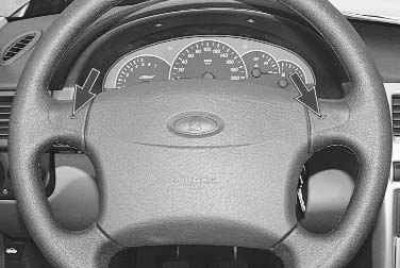
2 – Sound signal switch. To turn on the sound signal, press the left or right steering wheel button with the corresponding symbol.
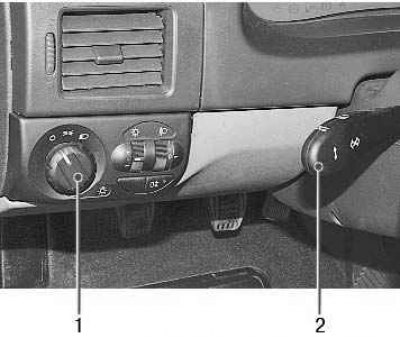
3 – direction indicator and headlight switch lever. The switch turns on the direction indicators and the electrical circuits of the headlights when the ignition is on, depending on the position of handle 1 of the exterior lighting switch.
Switch lever 2 can occupy the following positions.
In the vertical plane:
- I (middle position of the lever) - direction indicators are off. All external lights are off, parking lights are on, low or high beam headlights are on depending on the position of the ignition key and handle 1 of the external light switch;
- II (the lever is moved down a little) - left turn signals are on (non-fixed position);
- III (the lever is moved down a little) - left turn signals are on (fixed position);
- IV (the lever is moved up a little) - right turn signals are on (non-fixed position);
- V — on (the lever is moved up) right turn signals (fixed position).
In the horizontal plane:
- VI (towards you) - the high beam headlights are on regardless of the position of the exterior lighting switch (non-fixed position);
- VII (away from you) - the high beam headlights are on if the handle 1 of the external lighting switch is turned towards the low beam headlight symbol (fixed position).
4 – instrument cluster.
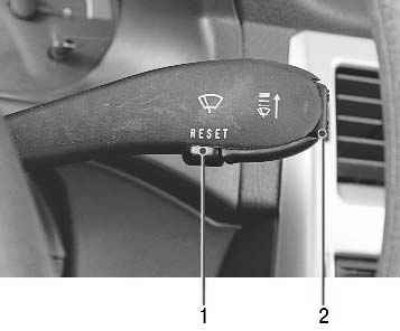
5 – wiper and washer switch lever glass. The switch turns on the electrical circuits when the ignition is on.
The switch lever can be in the following positions.
In the vertical plane:
- I (lower position of the lever) - windshield wipers and washers are turned off;
- II (the lever is moved up a little) - intermittent windshield wiper mode is enabled (non-fixed position);
- III (the lever has been moved higher) - intermittent windshield wiper mode is enabled (fixed position);
- IV (the lever has been moved higher) - the first speed of the windshield wiper is on (fixed position);
- V (the lever has been moved higher) - the second speed of the windshield wiper is on (fixed position).
In the horizontal plane:
- VI (towards you) - windshield washer is on (non-fixed position);
- VII* (away from you) - rear door glass wiper is on (fixed position);
- VIII* (from yourself) - the rear door glass washer is additionally turned on (non-fixed position).
* For hatchback or station wagon vehicles.
On the right and lower ends of the lever there are keys 1 and 2 (see photo), which are used to control the trip computer (see "Trip computer").
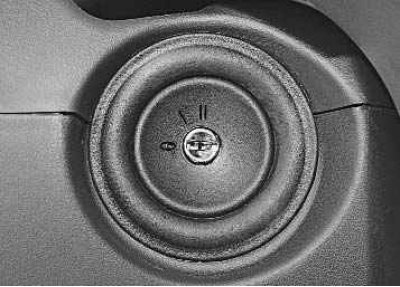
6 – ignition switch (lock), combined with an anti-theft device, is located on the right side of the steering column. The key in the lock can be in one of three positions:
- 0 - disabled. The position is fixed, the key is removed. When the key is removed, the locking mechanism of the anti-theft device is activated. To ensure that the steering shaft is locked, turn the steering wheel to the right or left until it clicks. To turn off the mechanical anti-theft device, insert the key into the ignition switch and, turning the steering wheel slightly to the right and left, turn the key to position "I";
- I — ignition. Position fixed, ignition on, key not removed, steering unlocked;
- II — starter. Position is not fixed, key cannot be removed, steering is unlocked. This is achieved by turning the key clockwise, overcoming the force of the spring. To operate the starter, you need to hold the key with your hand. The ignition switch is equipped with a starter re-engagement lock when the engine is running. To restart the starter after an unsuccessful start attempt, move the key from position "I" to position "0" and then back to position "II".
Caution! Do not hold the key in position "II" for more than 10 s.
Warning! It is strictly forbidden to turn off the ignition and remove the key from the ignition switch while driving, as this will lead to a sharp increase in the force on the brake pedal and lock the steering.
Note: If the ignition is off and the key is left in the ignition, then when the driver's door is opened, the buzzer emits a continuous trill, warning that the key is left in the ignition.
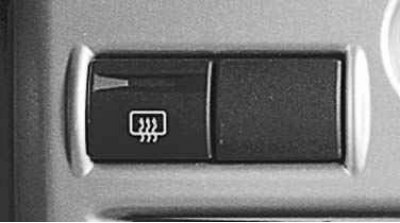
7 – Rear window heating switch. When you press the switch button, the rear window heating is turned on and the indicator lamp in the button lights up. Pressing it again turns off the heating.
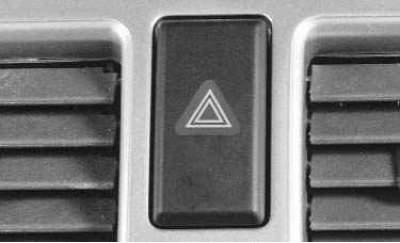
8 – hazard warning switch. When you press the switch button, all the direction indicators and the indicator lamp installed in the button light up with a flashing light. Pressing the button again turns off the alarm.
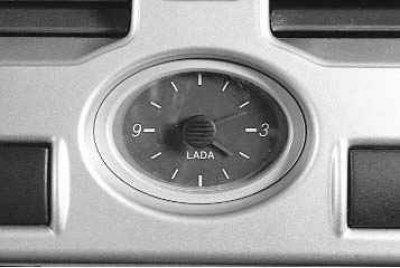
9 – hours. Pressing the button located in the center of the dial changes the hours.
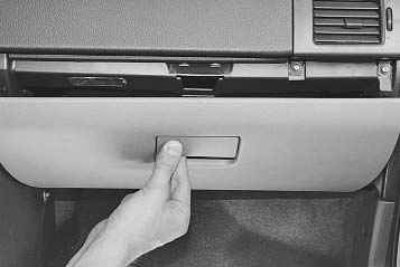
10 – glove compartment lid. To open it, pull the lock button and lower the glove compartment lid. If the ignition is on, the light for the interior of the glove compartment comes on.
11 – socket for radio equipment. Provision is made for the installation of radio equipment that meets international standards in terms of size and mounting method.
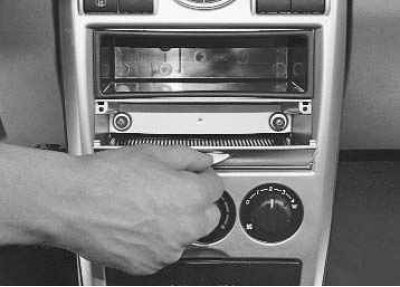
12 – compartment for small items. The plastic lid with the inscription "OPEN" is equipped with two locks at the top, preventing the lid from opening spontaneously. The compartment is equipped with a special rubber mat.
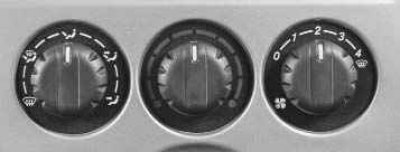
13 – Heating and ventilation system control unit cabin. The methods for controlling the heating and ventilation of the cabin are described below (see "Heating and ventilation of the passenger compartment").
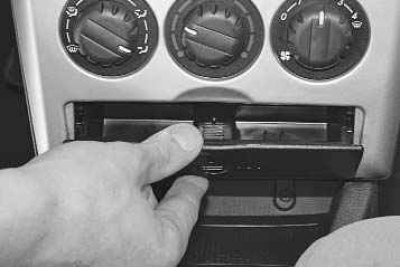
14 – front ashtray. To use the ashtray, pull the lid towards you by its upper ledge.
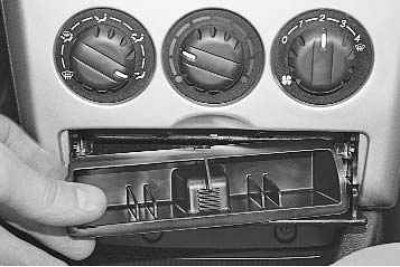
To clean the ashtray, remove it from its slot by pulling it towards you.
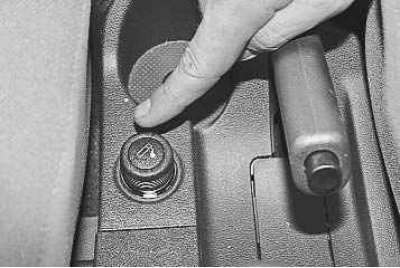
15 – cigarette lighter. To use the cigarette lighter, press the button on its moving part.
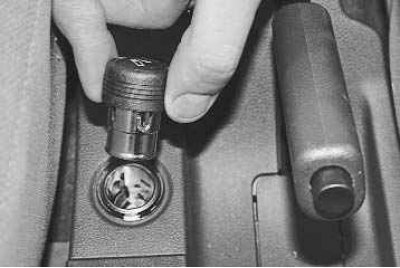
After the coil has heated for approximately 10-20 seconds, the moving part will automatically return to its original position with a click, and the cigarette lighter can be removed for use.
Attention! The cigarette lighter can be turned on again no earlier than after 20 seconds.
Caution! Do not forcefully hold the cigarette lighter in the pressed position.
Warning! Do not use the cigarette lighter socket to connect powerful electrical devices (electric coffee maker, etc.) – this may result in damage to the vehicle's electrical equipment.
Attention! If the cigarette lighter button does not return to its original position within 30 seconds after switching on, remove the cigarette lighter from the socket to prevent the coil from burning out.
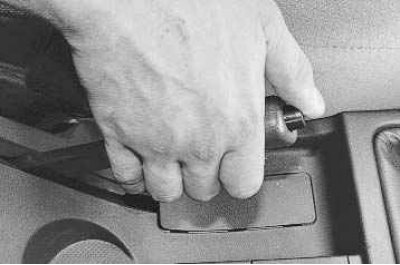
16 – parking brake lever. To apply the parking brake, lift the lever all the way up. In this case, the indicator light in the instrument cluster will light red and the rear wheel brakes will be locked. To release the brakes, pull the lever up slightly, press the button on the end of the lever handle and lower the lever all the way down - the indicator light should go out.
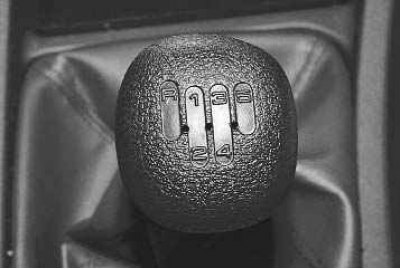
17 – gear shift lever gears. The gear shift diagram is printed on the lever handle.
18 – accelerator pedal.
19 – brake pedal.
20 – clutch pedal.
21 – cover of the fuse and relay mounting block. Replacing fuses and relays is described in section. "Electrical equipment" (cm. "Replacing fuses and relays in the mounting block").
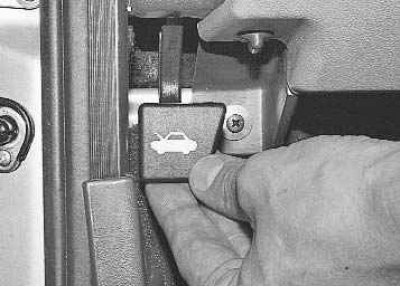
22 – hood lock drive lever. By turning the lever towards you, the hood lock is unlocked.