



Do not touch the ECU terminals with your hands - the engine management system is microprocessor-based, the electronic components of the ECU can be damaged by electrostatic discharge.
Getting Started with Car Repairs (especially if the operations involve dismantling elements of the engine management system), remove the terminal from the negative terminal of the battery.
When the battery is disconnected from the vehicle's network, the fault codes will be cleared from the ECU memory.
In many cases, testing engine control system components requires the presence of supply voltage in the system's electrical circuit. In this case, disconnecting the wiring blocks of the sensors and actuators of the engine control system is allowed only after turning off the ignition.
You can disconnect the wiring harness connector from the ECU only after removing the terminal from the negative terminal of the battery.
If it is necessary to connect the battery to the vehicle's electrical system during repairs, first make sure that the disconnected wires (terminals of the pads, ends of the wires) do not short to ground and that the ignition is off. Connect the terminal to the positive terminal of the battery first, then to the negative terminal. Turn on the ignition only during the measurement period.
The engine management system uses electronic components with a supply voltage of 5 V. They are supplied with voltage from the vehicle's electrical network (voltage in which is more than 12 V) will result in failure of the engine management system.
To check the engine management system, use a multimeter, the internal resistance of the device in the voltmeter mode should be at least 10 MOhm. If necessary, to check the power supply circuits under 12 V voltage, you can use a test lamp, but the lamp power should be 3 W (lamp A 12-1,2-1, power 1.2 W will do).
Before starting the engine, make sure the terminals are securely connected to the battery posts.
To avoid damage to the electronic components of the ECU, do not disconnect the wire terminals from the battery terminals while the engine is running.
If the engine management system is not working, check the condition of the fuses (see "Fuse and relay box"). If a blown fuse is detected, it must be replaced. If the fuse blows again, check the power supply circuit, find and fix the fault (see below, "Checking the technical condition of the engine management system" and see. "Electrical equipment - technical condition check").
Recommendations
When checking control system elements, it is necessary to connect a multimeter to the terminals of the junction blocks, sensors and other parts of the electrical equipment. To connect to insulated terminals, use probes with thin tips or use pieces of copper wire. Do not force the probes into the terminals, as this may result in poor electrical contact in such connectors, causing interruptions in the operation of the engine management system. To connect to non-insulated terminals of connecting blocks (plugs), you can use pieces of thin PVC tubes. If you put them on the terminals and insert the ends of the multimeter probes into them, they will hold the probes (ensuring reliable contact with the terminals) and at the same time isolate their ends from short circuits.
To check the voltage drop in sections of the circuit, you need to connect a voltmeter without disconnecting the wire blocks. This type of measurement can be done using a sewing needle with a copper wire wound around its end (for connecting the voltmeter probe).
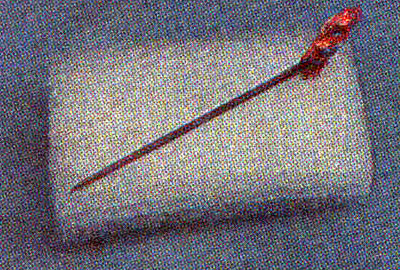
For ease of use, you can solder the copper strands of the insulated wire to the needle. The needle is used to pierce the insulation of the wire of the circuit being tested and measurements are taken.