



The ECU consists of an electronic engine control unit (ECU), sensors for engine and vehicle operating parameters, and actuators.
Elements of the electronic engine control system 1.6 (16V):
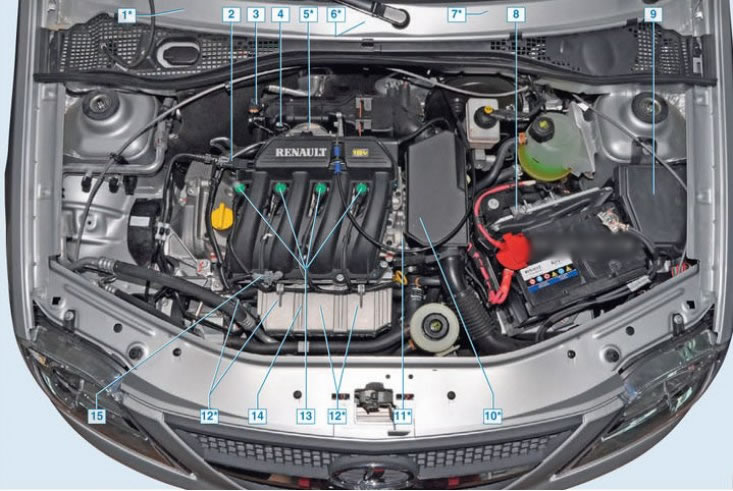
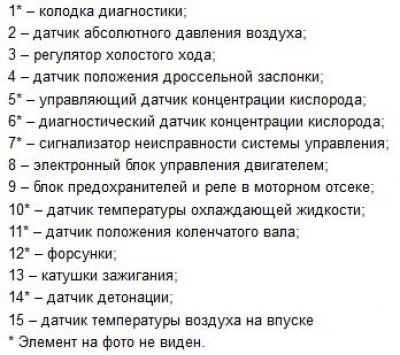
Electronic engine control system diagram 1.6 (16V):
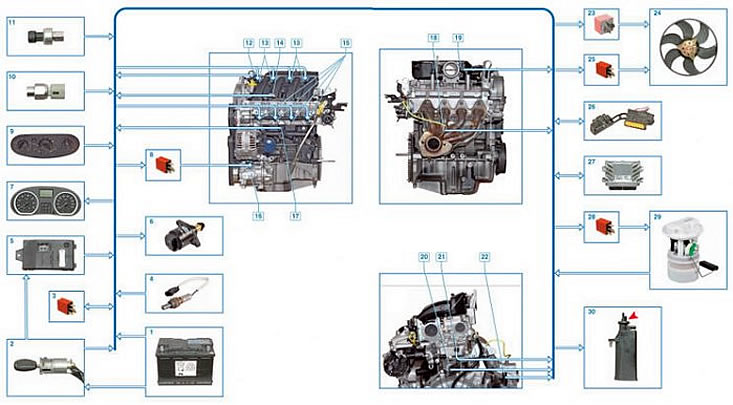
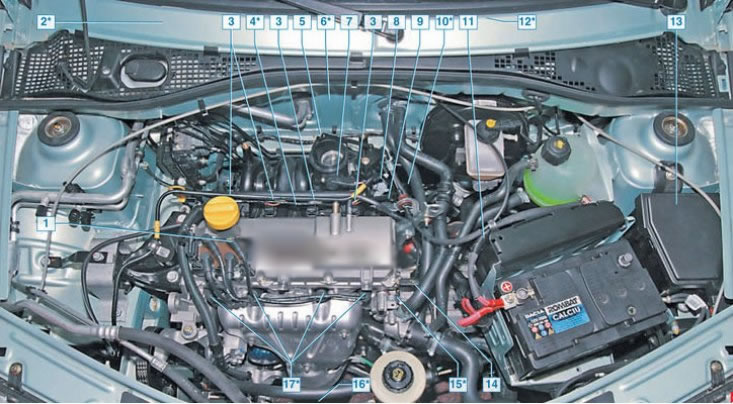
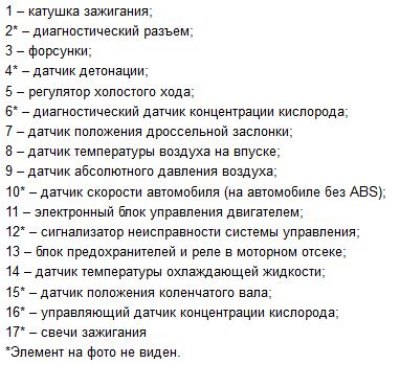
Elements of the ECU 1.6 (8V) (air filter removed):
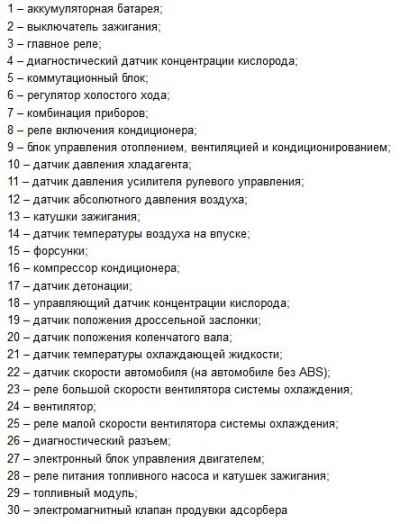
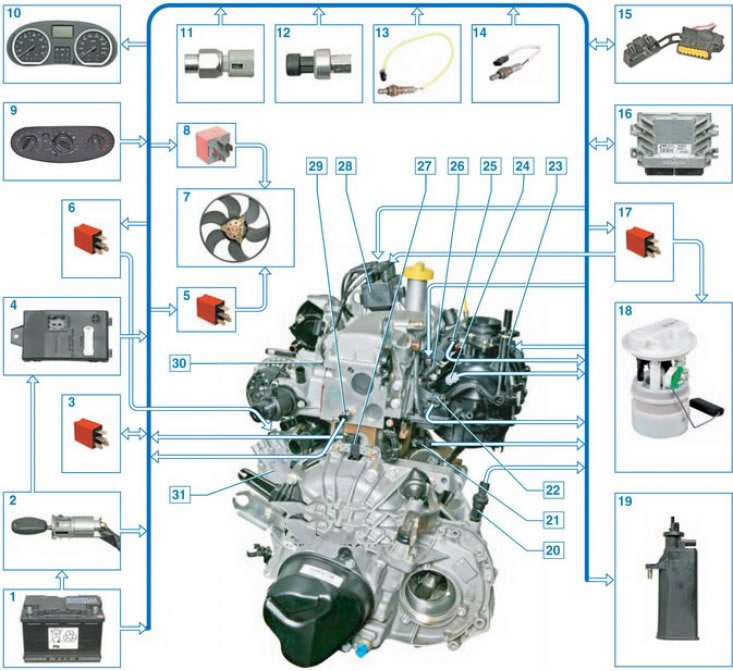
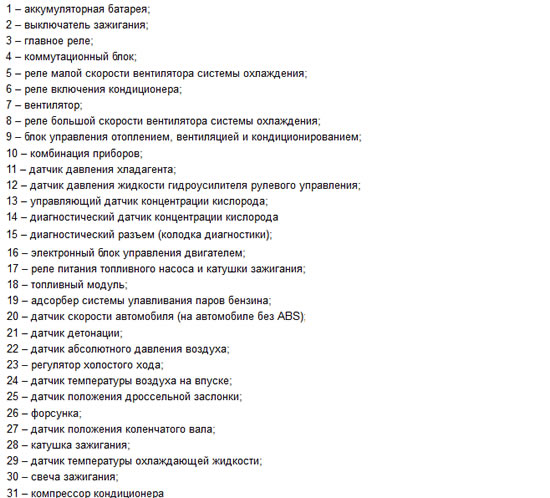
ECU diagram 1.6 (8V):
Electronic engine control unit (ECU)
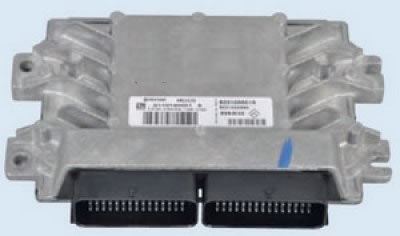
The ECU receives all the necessary information from the sensors and controls the actuators. As in most Renault cars, in the Lada Largus the ECU is installed in the engine compartment on a bracket behind the battery. It is an electronic unit of the EMS 31.32 type with a 90-pin interface connector. (ECU replacement)
The figures above show a general view of the underhood space with the location of the ECM elements, including the ECU, as well as the vehicle's electrical equipment elements.
The ECU includes a microcontroller with built-in flash memory (programmable read-only memory - EPROM) and random access memory (RAM), ADC microcircuits, drivers for controlling the operation of the idle speed control (ISC) engine, a fuel pump control signal, etc. The microcontroller generates the supply voltage for the oxygen sensor heater and air flow sensor. After turning on the ignition, the controller turns on the indicator. located in the instrument cluster, which informs the driver about the serviceability or detection of any malfunction of the ECM.
External diagnostic equipment is connected to the socket for information communication with the controller via a bidirectional K-line.
In RAM when power is turned off (battery) information is not stored, unlike ROM, which is a non-volatile device.
A lamp (indicator) on the instrument cluster that signals a malfunction of the ECU
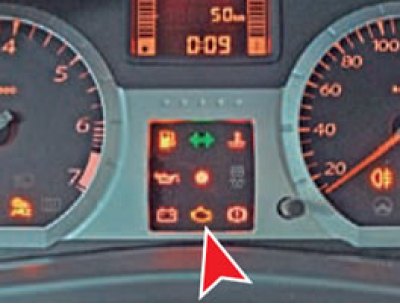
It is prohibited to operate the vehicle with a constantly lit (flashing) ECM malfunction indicator. It is allowed to drive the vehicle to the repair site. If the malfunction is short-term, the light will go out after 10 seconds, provided that there are no other fault codes in the ECU memory that cause this indicator to turn on.
Diagnostic connector
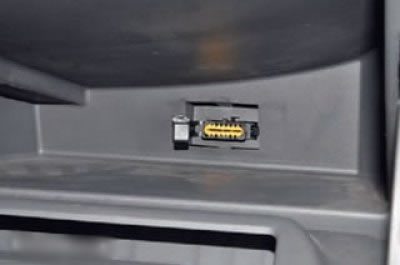
Diagnostic connector (diagnostic socket) located in the glove compartment on its rear wall. It can be used to read fault codes stored in the ECU. The figure shows the location of the diagnostic connector, and the pin assignment is given in the table below.
Diagnostic connector pinout
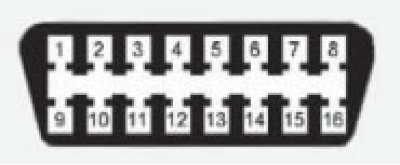
Table: Diagnostic connector pin assignment
| Contact number | Purpose |
| 1 | "+" bus after ignition on |
| 2, 3 | Earth |
| 6 | Not used |
| 7 | Diagnostic signal K (k-line tire) |
| 8-14 | Not used |
| 15 | Diagnostic signal L (k-line tire) |
| 16 | Battery "+" busbar |
Engine Crankshaft Position and Speed Sensor (CPS)
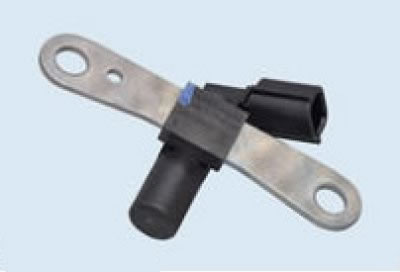
Inductive type crankshaft position and speed sensor, it is designed to synchronize the operation of the electronic control system with the angular position of the crankshaft and the first cylinder of the engine. The sensor is located at the rear of the engine opposite the timing ring on the engine flywheel. The drive crown is a toothed wheel. To synchronize the work on the disk, two teeth are missing - this is the starting point.
When the setting disk rotates, alternating current pulses are generated in the sensor winding, and the signal is sent directly to the ECU.
If the sensor fails, the engine cannot be started. The sensor is checked in the following order:
- check the integrity of the connections;
- disconnect the connector block and measure the resistance of the sensor winding, it should be within 200...270 Ohm;
- if the winding resistance is normal, a process connector is connected to the sensor and the sensor output signal is checked using an oscilloscope - the pulse amplitude should be at least 0.9 V, otherwise the sensor is replaced.
It is located on the clutch housing, above the engine flywheel.
Inlet air temperature sensor (IATS)
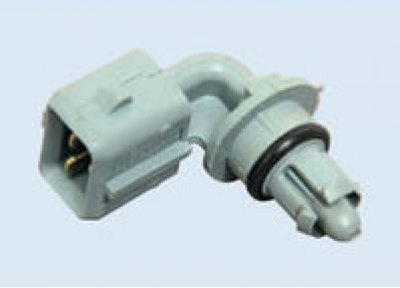
The temperature sensor contains a thermistor, it is installed in the intake manifold. From the ECU, a reference voltage of 5 V is supplied to the sensor via a current-limiting resistor. The air temperature at the intake is calculated based on the voltage drop across the sensor. The ECU uses the readings from this sensor to calculate the duration of the fuel injector opening pulses and the ignition timing.
On the 1.6 engine (16V) it is located in the receiver at the front.
On the 1.6 (8V) engine it is installed in the intake manifold on the left.
Coolant temperature sensor (CTS)
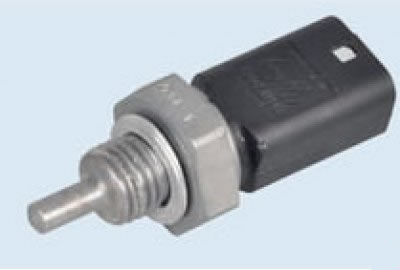
The coolant sensor is similar in design to the previous sensor - it is a thermistor, the resistance of which changes inversely proportional to the coolant temperature. The sensor is installed on the cylinder block, in its rear part. Based on the voltage drop on the sensor, the ECU determines the engine temperature and takes it into account when calculating the parameters of the injection and ignition system.
On the 1.6 (16V) engine it is located in the hole in the thermostat housing, located on the left side of the cylinder head.
On the 1.6 (8V) engine it is located in the hole on the left side of the cylinder head.
Phase sensor (camshaft position)
The inductive phase sensor is installed only on the K4M engine, its operation is based on the Hall effect. The sensor is installed on the rear part of the cylinder head cover. When the edge of the timing disk mounted on the camshaft passes through the sensor, the magnetic field changes and AC voltage pulses are generated. The signal from the sensor is sent to the ECU to ensure phased fuel injection in accordance with the order of operation of the internal combustion engine cylinders. If there are any malfunctions in the sensor, the ECU stores the error code in the memory and turns on the light indicator located on the instrument cluster.
Throttle Position Sensor (TPS)
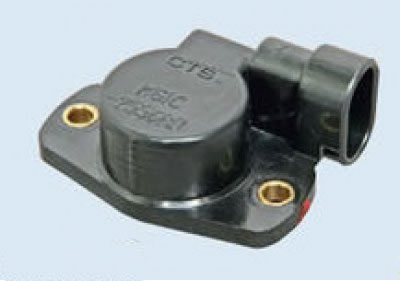
It is located on the throttle valve axis (replacement).
Knock sensor (DS)
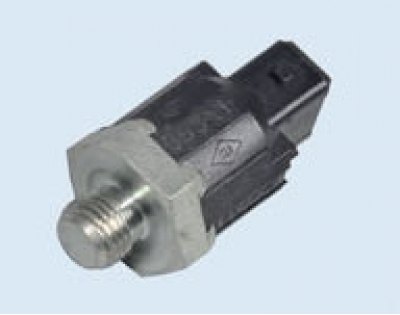
On a 1.6 (16V) engine, it is located in a hole on the front wall of the cylinder block, located in the area between the 2nd and 3rd cylinders.
On a 1.6 (8V) engine it is located in a hole on the rear wall of the cylinder block, in the area of the 3rd cylinder.
Control oxygen concentration sensor (COCS)
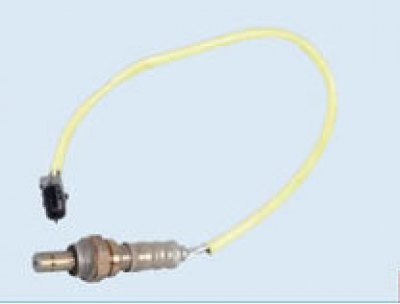
Installed in the threaded hole of the exhaust manifold. (replacement).
Diagnostic oxygen concentration sensor (DOCS)
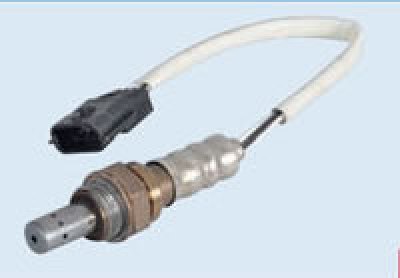
Installed in the exhaust pipe after the catalytic converter. (replacement).
Absolute air pressure sensor (MAP)
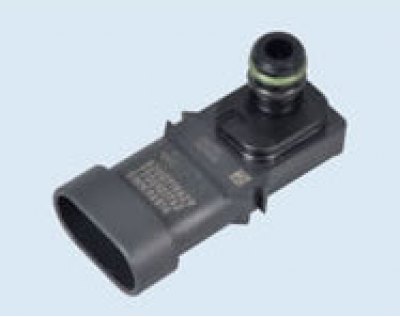
On the 1.6 engine (16V) it is installed in the receiver on the right.
On the 1.6 (8V) engine it is installed in the intake manifold on the left.
Vehicle speed sensor (VSS)
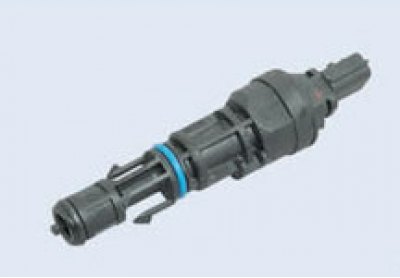
Mounted on top of the gearbox housing.