



The amount of oil consumption depends on the driving style of the vehicle and is determined by the engine load and the crankshaft speed.
During the initial period of operation, oil consumption is slightly increased.
Check the oil level in the engine crankcase regularly (Figure 8.5) and add oil to the engine (Figure 8.4) to ensure its normal operation, especially before long trips.
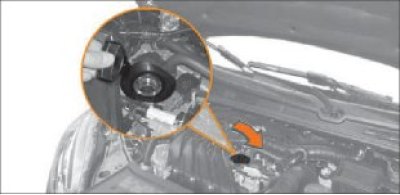
Figure 8.4. Filling/topping up engine oil
Checking the engine oil level
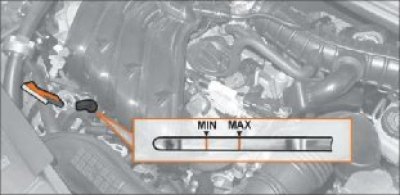
Figure 8.5. Checking the engine oil level
- Park the car on a level, horizontal surface.
- Turn off the engine and wait 5 minutes. During this time, the oil will have time to drain into the oil pan. If this is not done, the oil level on the dipstick will be shown incorrectly.
- Remove and wipe the dipstick with a clean rag (Figure 8.5).
- Insert the oil dipstick into the fitting until it stops.
- Remove the dipstick again.
- Check the oil level on the dipstick. The oil level should be between the "MIN" and "MAX" marks.
- If the level is below the "MIN" mark, add the required amount of oil of the same grade and viscosity as in the engine, pouring it through the filler neck closed with a plug.
The oil level should not exceed the "max" mark on the indicator.
[Article based on data from the website: LadaMan.ru]
Warning!
- motor oil is an irritant and can cause poisoning or even death if swallowed.
- avoid regular or prolonged contact of motor oil with skin.
- After working with motor oil, wash exposed skin areas with soap or a special cleaner.
Attention!
- Adding too much motor oil may affect engine performance. do not allow the oil level to exceed the "MAX" mark on the dipstick.
- Otherwise, oil will enter the combustion chamber through the crankcase ventilation system and be released into the atmosphere along with the exhaust gases.
- Oil combustion products can damage the neutralizer, foul the spark plugs, and cause excessive carbon deposits in the engine.