



In order to preserve the paintwork, the car must be washed before the dirt dries with a low-pressure stream of water using a soft sponge and car shampoos that create protective films from environmental influences.
Attention! Do not wash your car with soda or alkaline solutions, as well as waste water and other products not intended for washing cars.
Some washing stations use high pressure water jets. This may cause damage or complete failure of the vehicle's rear fender flaps. In order to maintain their integrity, the car must be washed with a low-pressure water jet of no more than 2.1 bar.
To prevent damage and, as a consequence, loss of primary function, cleaning the rear wing shields with metal or other objects with open sharp cutting edges is not permitted.
To prevent spontaneous dismantling of the shields from the wing flanges, do not allow strong impacts to the surface of the front and rear wing shields during both operation and maintenance of the vehicle (Figure 8.31).
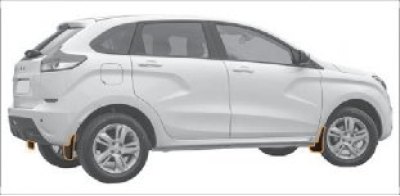
Figure 8.31. Front and rear wing shields
(For more details, see the page: «ladaman»)
Before washing your car, clean the drainage holes in the doors and sills.
When washing, thoroughly wash the door flanges, hood, tailgate, welded seams and joints of the engine compartment, luggage compartment and door openings, as accumulated dirt in these areas will lead to the destruction of the protective decorative coating and corrosion of the metal.
In summer, wash your car outdoors in the shade. If this is not possible, then immediately wipe the washed surfaces dry, since when water droplets dry in the sun, stains form on the painted surface.
In winter, after washing your car in a warm room, wipe the body and door seals dry before driving out, as freezing of the remaining drops may cause cracks in the paintwork and freezing of the seals to the body.
Warning! Do not wash your car with the ignition on.
When washing and cleaning the interior, avoid direct water jets and small objects (for example, crumbs, dog hair, etc.) on electrical equipment, electronic devices, sensors and detachable connections in the engine compartment and in the vehicle interior.
Monitor the condition of the protective covers of the detachable connections of electronic units and sensors. If moisture gets on the detachable connections, blow them out with compressed air and treat them with a water-repellent agent to protect the contacts from oxidation.