



Oil pressure regulation
In engines with a pressure lubrication system, the maximum pressure in the system is limited by a pressure relief valve. This valve (sometimes called a pressure reducing valve) is located at the pump outlet. The relief valve limits the maximum pressure in the system by draining oil back into the pump inlet (figure 3.15). The maximum oil pressure is determined by the elasticity of the relief valve spring. Without a relief valve, oil pressure will increase without limit as engine speed increases. The maximum pressure is usually set at the level of the minimum permissible pressure, which ensures reliable lubrication of all engine components.
Lubricating an engine requires three to six gallons of oil per minute (1 gallon (US) = 3.78 liters).
The oil pump is selected so that its capacity is sufficient to provide the necessary pressure at low engine speeds, but not excessively large, in order to avoid cavitation at high speeds. Cavitation occurs when the speed at which the oil is pumped out by the pump becomes greater than the capacity of the suction pipe. When the pump does not have enough oil, it sucks in air and air pockets or voids appear in the oil flow. When the pump begins to suck in air or vapor, it goes into cavitation mode.
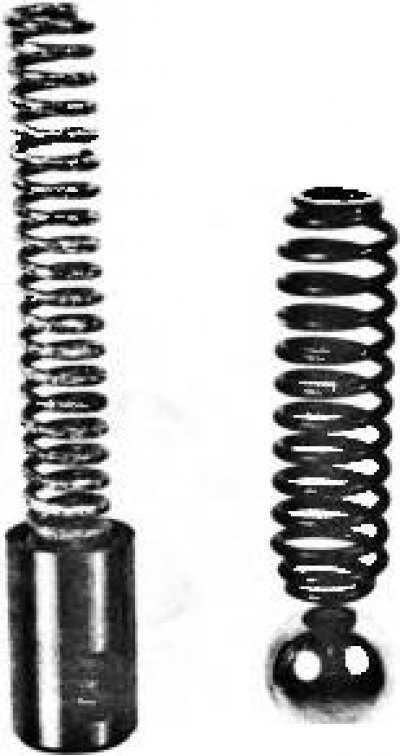
Figure 3.15. Spring-loaded pressure relief valves - piston and ball
Note: The purpose of the stamped cover placed on top of the oil pump suction strainer is to prevent cavitation. The oil is retained under the cap, which helps prevent the risk of air being sucked into the pump, especially during sudden braking and acceleration of the vehicle.
After leaving the pump, the oil is supplied to the moving parts through drilled oil pipes (figure 3.16). Once the oil reaches the parts to be lubricated, pressure is no longer necessary. Due to the effect of hydrodynamic lubrication, a lubricant film is created and maintained stably between the surfaces of the parts. Creating excess oil pressure requires additional power, and the quality of lubrication is no better than at the minimum required pressure.
Factors Affecting Oil Pressure in the Lubrication System
The oil in the lubrication system will be under pressure only if the capacity of the oil pump exceeds the oil flow through all the "leaks" in the engine. Oil leakage occurs through gaps at the end points of the lubrication system. The end points are clearances in bearings, valve rockers, spray holes in connecting rods, etc. These are specially provided clearances in the engine, necessary for its normal operation. As engine parts wear, gaps increase and oil leaks increase as a result.
The capacity of the oil pump must be large enough to supply oil to the lubrication system with a reserve that covers its consumption through these leaks. The performance of an oil pump is determined by its size, rotation speed and condition. When the engine is idling, the pump rotates slowly and produces low output.
If the oil consumption through leaks exceeds the capacity of the oil pump, the oil pressure in the lubrication system is insufficient.
As the engine speed increases, the oil pump performance increases and the increasing pressure in the lubrication system leads to increased oil consumption through leaks. As a result, the oil pressure increases until it reaches the regulated maximum value.
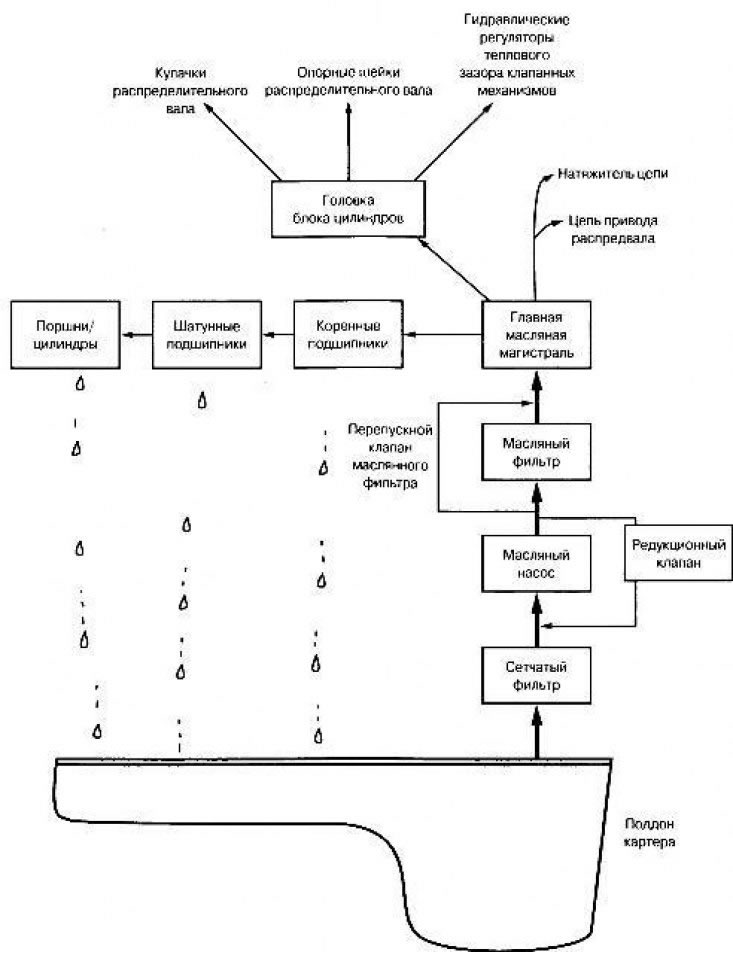
Figure 3.16. Oil flow enters the engine through the oil pump suction pipe and eventually flows back into the oil pan.
The viscosity of the engine oil affects both the performance of the oil pump and its consumption through leaks. Liquid oil (having very low viscosity) easily slips past the pump teeth and flows out easily through the gaps. Hot oil has a lower viscosity, so the oil pressure in a warm engine is often low. Cold oil has a higher viscosity (thickness) than hot oil. As a result, the oil pressure in a cold engine, even at idle, is higher. High oil pressure in a cold engine means that the pressure relief valve must open more in order to release excess oil beyond what is needed for a warm engine. The higher the oil pressure in the system, the more the pressure reducing valve spring is compressed and the larger the opening clearance of the valve becomes.
Using a higher viscosity oil in the engine causes the oil pressure in the cooling system to reach the set relief valve threshold at a lower engine speed.