



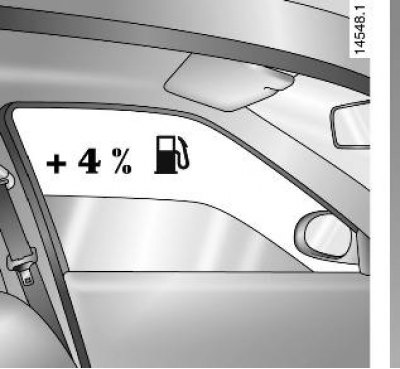
In vehicles equipped with an air conditioning system, when using it, an increase in fuel consumption is observed, especially when driving in the urban cycle. In vehicles equipped with an air conditioning system without automatic mode, turn off the air conditioner when it is not needed.
Here are some tips to help you reduce fuel consumption and protect the environment:
- - we recommend that you drive with open deflectors and raised windows.
- - If your car has been parked in very hot weather or in direct sunlight, we recommend that you ventilate the interior for a few minutes before starting the engine.
- - Do not overfill the tank when refueling to avoid fuel spillage.
- - Do not drive with an empty roof rack installed.
- - It is better to transport bulky loads in a trailer.
- - When towing a caravan, use an aerodynamic deflector; don't forget to adjust its position.
- - Avoid using the car for frequent and short trips combined with long stops: this does not allow the engine to warm up to normal operating temperature.
Tires
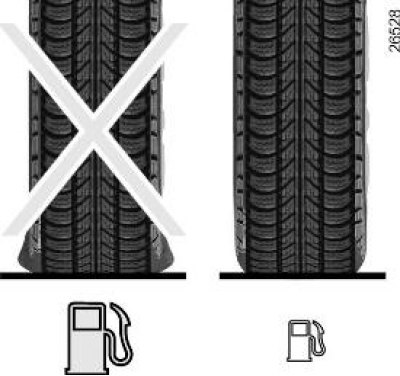
Increased fuel consumption may be caused by:
- - insufficient tire pressure,
- - installation of tires not recommended by the manufacturer.
The following factors influence fuel consumption:
Selecting the transmission speed
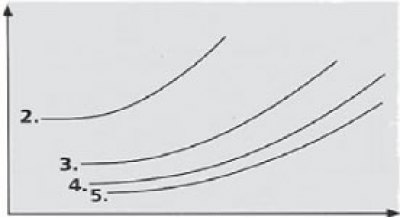
The figure above shows the impact of speed and gear selection on fuel consumption. Using a low gear to improve acceleration results in significantly higher fuel consumption.
Trip Distance/Engine Temperature
Frequent cold starting and short trips will significantly increase fuel consumption.
Keep the air filter clean.
An air filter clogged with dust increases the resistance to the air flow entering the engine, resulting in a decrease in engine power and an increase in fuel consumption.
Road and traffic conditions
Traffic jams, uphill driving, lots of turns and bad roads all affect fuel consumption.
Correct driving style
Anticipating danger and maintaining a safe distance from preceding vehicles will reduce not only fuel consumption, but also brake wear.
Loading the vehicle unnecessarily
Increasing the vehicle's load causes it to consume more fuel. Remove unnecessary luggage or cargo from the vehicle.
Technical condition of the car
Too low tire pressure or improper engine and vehicle maintenance also require additional fuel consumption.
Original text on the website [Ladaman.ru]
Necessary conditions for economical use of fuel and environmental protection
Drive in fuel-saving mode and use additional electrical equipment only when necessary.
Do not start driving without first warming up.
Press the accelerator gently.
Shift into the next gear as soon as possible to achieve lower engine speeds.
Consider traffic conditions.
Turn off the A/C and rear window defroster functions immediately when they are no longer needed.
Check/adjust tire pressure periodically.
Conduct periodic checks of your vehicle.