



First, no matter which of the following methods is used, use a special liquid such as WD-40. This is a special flowing liquid with excellent penetrating properties for freeing dirty and rusty fasteners. But it also works well on tight, broken fasteners. If enough of the bolt or stud protrudes from its hole and it is not too tight, it can often be loosened with a pair of pliers or a small pipe wrench. If this does not help, or the fastening parts do not protrude enough to be securely gripped with pliers or a key, try cutting it down to fit a regular key or cutting a slot in it for a screwdriver.
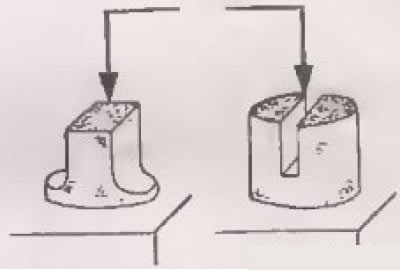
If you still can't get it off, but you know how to weld, try welding a flat piece of steel or a nut onto the top of the broken fastener.
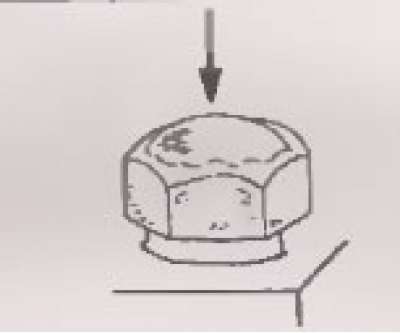
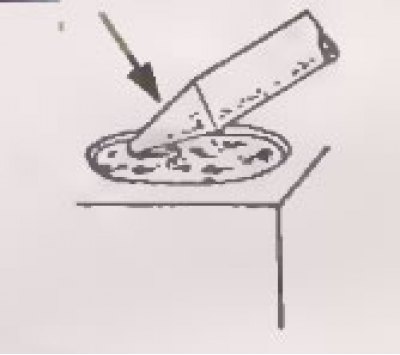
If a fastener is broken flush or below the top of its hole, have it knocked out with a small, sharp punch.
If this does not help, try drilling out the broken fastener with a drill whose diameter is only slightly smaller than the inner diameter of the hole. For example, if the hole diameter is 12 mm, use a drill bit with a diameter of 11 mm. This will leave a shell that can be knocked out with a sharp chisel. If this does not help, you need to resort to some kind of extractor. Extractors are sold in sets and can be used to unscrew bolts and studs measuring 6-25 mm.
Most extractors are tapered, grooved and made of high quality steel. To use an extractor, drill a hole slightly smaller than the outside diameter of the extractor being used (extractor kits include manufacturer's recommendations for what size drill bit to use with each extractor size); then screw the extractor into the hole and remove it together with the broken screw or stud.
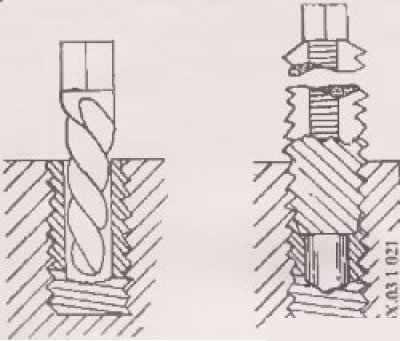
The extractor threads are reverse (left-handed), so they will not unscrew when pulled out.
Tip: Extractors usually save effort and money, but if you are not careful or in a hurry, it will even cause pain and damage. Drilling the extractor hole off-center or using a drill bit that is too small or too large for the bolt or stud you are extracting will only make matters worse. So be careful!